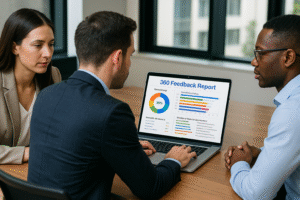
In today’s data-driven HR world, 360 assessment software has become a powerful tool for leadership development and employee growth. By collecting multi-rater feedback from managers, peers, and subordinates, it provides a comprehensive view of individual performance and behaviors.
However, this valuable process also raises a critical question:
How do organizations ensure data privacy and confidentiality in 360 feedback systems?
If employees don’t feel safe sharing honest feedback, the entire process loses credibility. That’s why confidentiality, data protection, and trust are essential pillars of any 360 feedback tool.
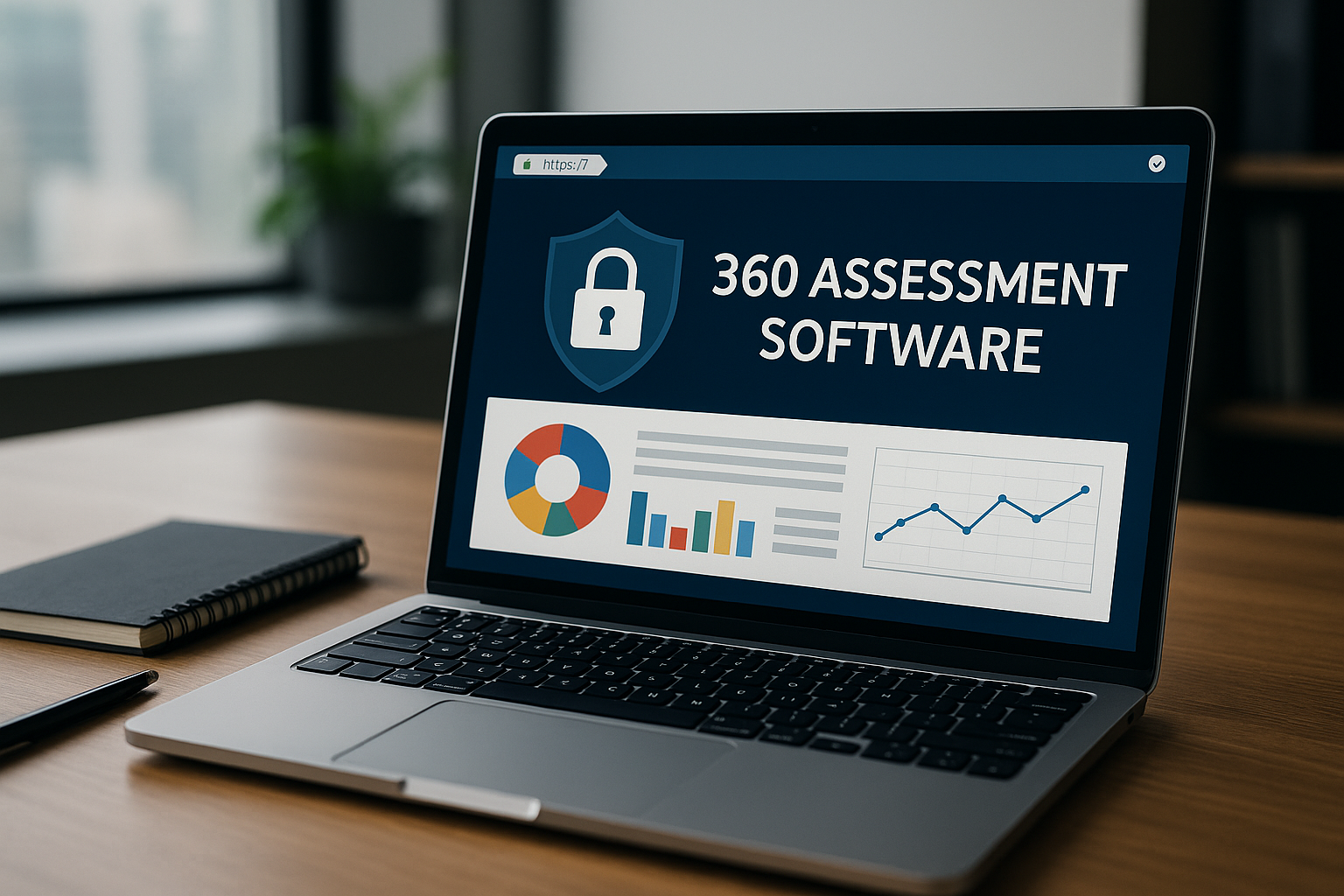
Why Privacy Matters in 360 Feedback
A 360 degree feedback survey relies on open and candid input. Without strong privacy protections:
- Employees may sugarcoat feedback to avoid conflict.
- Valuable developmental insights may be lost.
- Trust in the HR process may be damaged.
Protecting privacy in a 360 feedback assessment isn’t just good practice — it’s a legal and ethical responsibility.
Key Privacy & Confidentiality Risks in 360 Feedback Systems
- Identifiable Responses – If software reveals who said what, employees may hesitate to be honest.
- Data Breaches – Weak security in a 360 degree feedback tool can expose sensitive personal information.
- Unclear Data Usage Policies – Without clear communication, employees may suspect misuse of their feedback.
- Unauthorized Access – If reports are shared too broadly, confidential insights can be leaked.
Best Practices for Data Privacy in 360 Assessment Software
1. Ensure Anonymity
- Use 360 feedback software that anonymizes responses.
- Aggregate ratings so individual feedback cannot be traced to specific raters.
2. Secure Data Storage
- Choose 360 assessment software with encrypted databases and secure cloud hosting.
- Ensure compliance with regulations like GDPR, CCPA, or other local privacy laws.
3. Limit Access
- Implement role-based access in your 360 degree feedback system so only authorized HR staff and managers can view results.
4. Clear Communication
- Inform participants about:
- Who will see the results.
- How data will be stored.
- How long data will be retained.
5. Compliance Certifications
- Select vendors with ISO 27001, SOC 2, or similar certifications for data security.
Confidentiality Features to Look for in the Best 360 Feedback Tools
When selecting the best 360 feedback tools, ensure they include:
- Anonymous multi-rater feedback
- Encrypted data transfer (SSL/TLS)
- Secure participant login
- GDPR-compliant data handling
- Customizable access controls
- Automatic data purge after retention period
How AssessHR Ensures Data Privacy
At assessHR, our 360 degree feedback software is built with privacy and security at its core:
- End-to-end encryption for all responses.
- Anonymized reporting to protect rater identities.
- Role-based permissions to control data access.
- Full compliance with GDPR and other major privacy frameworks.
We believe trust is the foundation of effective feedback — and we take it seriously.
Learn more about our secure 360 feedback system →
Common Myths About Privacy in 360 Feedback
Myth 1: “Managers can see who gave low ratings.”
→ Truth: In a properly designed 360 evaluation tool, responses are aggregated and anonymous.
Myth 2: “Feedback data is stored forever.”
→ Truth: Reputable providers use strict data retention and deletion policies.
Myth 3: “Privacy only matters in large organizations.”
→ Truth: Even in small teams, confidentiality impacts honesty and trust.
Final Thoughts
Without trust, the value of a 360 feedback assessment collapses. That trust comes from guaranteeing data privacy and confidentiality through secure technology, transparent policies, and ethical practices.
When you choose the right 360 degree feedback tool, you’re not just buying software — you’re investing in a safe space where people can share feedback that fuels real growth.